
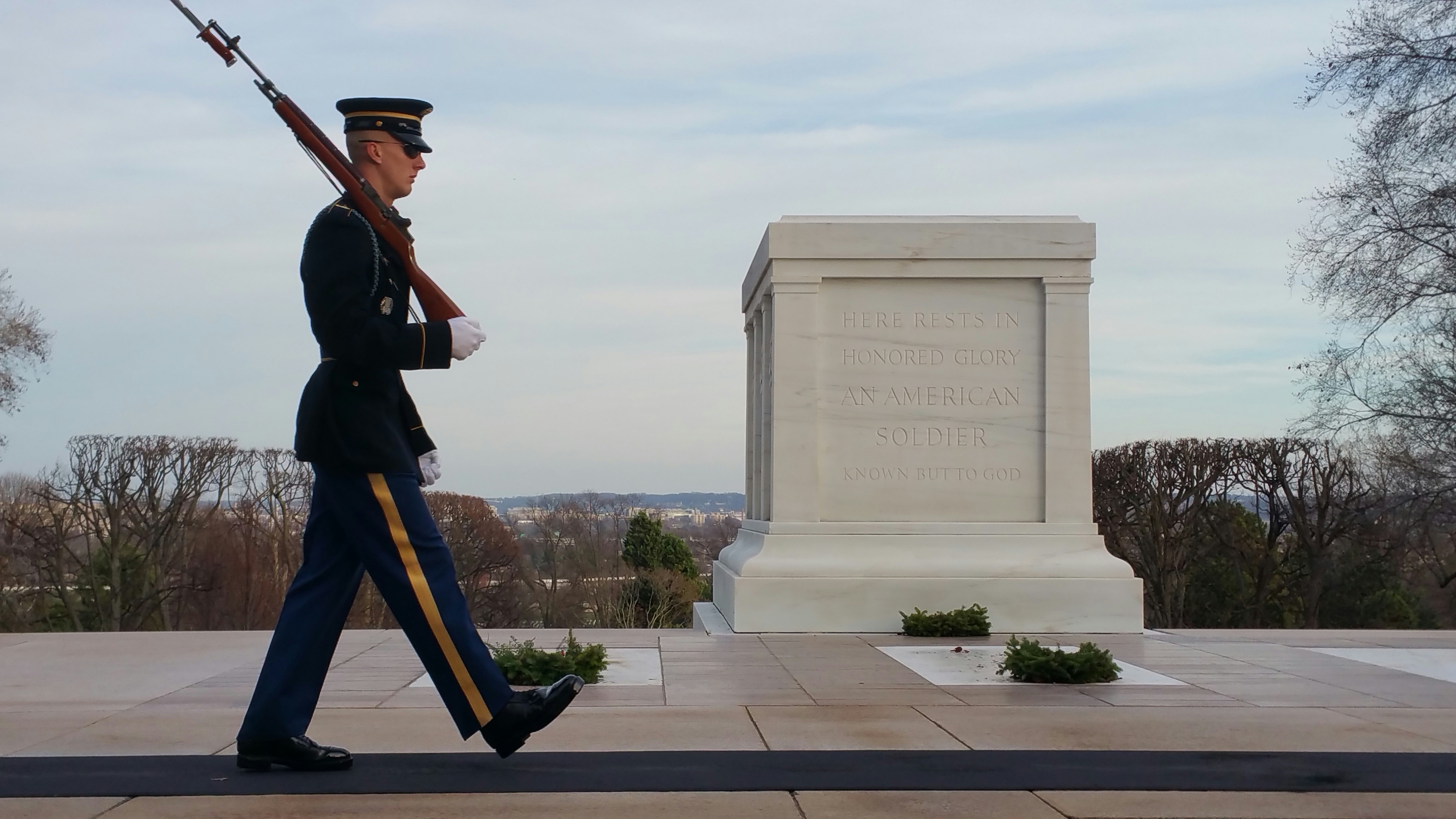
The Awakening: A Soldier’s Confusion
As the soldier’s eyes fluttered open, a harsh light pierced through the darkness that had enveloped them for what felt like an eternity. The stark whiteness of the hospital room came into view, filled with the beeping of machines and the faint smell of antiseptic. Each sound seemed amplified, reverberating in an unfamiliar way, causing an unsettling disorientation. Who am I? The question rang ceaselessly in their mind, but clarity remained elusive, like a fading ghost of forgotten memories.
Overwhelmed by a wave of confusion and fear, the soldier attempted to regain their composure. They took a deep breath, only to be met with the discomforting sensation of an IV line embedded in their arm. Panic surged as they surveyed the sterile environment, devoid of any personal items or indications of their past. The starkness of the walls mirrored the void within their mind, each pulse of the monitors echoing the desperation for answers. Were they a hero? A fighter? Or just an ordinary person thrust into an extraordinary situation?
Images flashed briefly—blurred faces, distant sounds of combat, yet they remained frustratingly out of reach. Every attempt to grasp these fleeting thoughts resulted in a sharp pain that radiated through their head, pushing the soldier further into confusion. It felt as though they were stranded in a foreign land; the ground was unsteady, and the air was thick with uncertainty. Struggling to comprehend their surroundings, a multitude of questions invaded their consciousness: Why was I here? What had happened? The soldier couldn’t shake the feeling of being lost in both body and spirit.
This awakening marked merely the beginning of the soldier’s journey—a journey not only to rediscover their identity but also to understand the events that had led them to this bewildering moment. The path would be fraught with challenges, but it would also be a testament to resilience, providing a glimpse into the depths of what it means to be a soldier grappling with confusion and the desire for reconnection.
Strange Faces and Unfamiliar Voices
As the soldier navigates the sterile environment of the hospital, they encounter a myriad of professionals dressed in white coats and scrubs. Each day, doctors, nurses, and visitors come forward to share words of admiration, commending the soldier for acts of bravery and sacrifice during a time that feels distant and surreal. The heartfelt appreciation they receive serves as a poignant reminder of the heroism associated with their past. Yet, amidst these interactions lies an unsettling sense of alienation. While these conversations are filled with gratitude, they simultaneously highlight the confusing absence of the soldier’s own recollections.
The doctors often speak with reverence, their voices laced with respect as they recount tales of valor from a decade prior. They emphasize the impact of the soldier’s contributions and how those actions have echoed through time, fostering a sense of respect from all corners of society. Visitors consistently express their gratitude, reinforcing the soldier’s relevance in a world where their sacrifice is held in high regard. However, the soldier finds it increasingly difficult to resonate with these accolades, feeling like an observer rather than the protagonist in their own story. Memories that could provide context and understanding remain frustratingly absent, creating a chasm between the past and present.
This juxtaposition—the soldier’s pronounced admiration and their own pervasive confusion—creates an emotional strain. While the external world lauds the soldier’s heroism, the internal struggle amplifies feelings of isolation. Each compliment serves as a reminder of what has been lost, leaving the soldier grappling with a respect that they are unable to fully embrace. The journey becomes a quest not only for physical recovery but also for reconnecting with an identity so deeply entwined with courage and valor, yet shrouded in mystery.
Whispers of a Forgotten Threat
As the soldier navigates their journey of rediscovery, the fragmented stories and whispered accounts from those around them begin to unearth a shadowy presence that looms over their past. Conversations with fellow veterans, local historians, and civilians share an unsettling tone, each recounting snippets of an unnamed threat that could have impacted not only the soldier’s life but also the broader community. These recollections, seemingly disjointed, weave a complex tapestry illustrating the soldier’s role in a mysterious conflict that has long been overshadowed by time.
The nature of this threat remains tantalizingly elusive. Some declare it was a shadowy adversary whose motivations and identities were never fully understood. Others suggest it was more insidious—a series of strategic maneuvers not marked by open combat but rather psychological warfare. These intriguing tales hint at an enemy deeply embedded within the very fabric of the soldier’s world, challenging their understanding of not only their experience but also the reality they remembered. The faint echoes of these accounts leave the soldier grappling with questions about their role in the events that unfolded, and why such a pivotal chapter remains hidden from their memories.
This disorientation serves as a catalyst for the soldier’s yearning to uncover the truth. As connections form between the fragments of lived experiences and the whispers of a forgotten threat, a deep-seated sense of curiosity emerges. This curiosity is not without its accompanying sense of dread; the search for answers breeds a fear of what the soldier may discover. Each dialogue, memory, and clue acts as a stepping stone, urging the soldier to confront the abyss of their lost identity and the inescapable reality of their past. The specter of this unnamed danger becomes a key catalyst for their redemption, ultimately leading them to confront both the external threats and their internal battles.
Visions of the Past: Glimpses of Memory
As the soldier navigates their daily life, an array of fleeting visions and vivid dreams begin to infiltrate their subconscious. These surreal flashbacks are not merely figments of imagination, but manifestations of a past that yearns to be remembered. In these poignant moments, the soldier is thrust back into the heart of tumultuous battles and the camaraderie that existed amidst chaos. Each vision serves as a key, unlocking fragments of memories that have long been buried within the recesses of their mind.
The scenes are often disjointed, appearing like pieces of a shattered mirror that reflect a valorous life once lived. The soldier witnesses flashes of valor and sacrifice where once they fought alongside brave comrades, clinging to a shared purpose. These recollections bring forth an emotional weight that is inescapable, intensifying the internal struggle to reconcile their current self with their former identity. As the soldier grapples with these vivid recollections, an overwhelming sense of nostalgia washes over them—an ache for the hero they once were.
In moments of quiet reflection, the visions grow more insistent, offering glimpses of the battlefields where moments of bravery unfolded. The roar of the gunfire, the cries of fellow soldiers, and the dulcet echoes of shared laughter blend into a cacophony that pierces through the soldier’s present life. Each encounter with these memories draws them closer to the truth of their heroic past, solidifying the connection between who they were and who they have become. This journey into the depths of their recollections not only serves as a reminder of their sacrifices but also beckons them toward a moment of rediscovery and acceptance of their multifaceted identity.
The Support System: Allies and Friends
In the journey of rediscovery taken by our soldier, the significance of relationships with allies and friends becomes profoundly evident. Throughout this narrative, various key characters emerge, each with distinct backgrounds and experiences that shape the soldier’s path back to himself. These connections not only provide essential emotional support but also serve to highlight the complexities of camaraderie forged in the fires of conflict.
One of the most impactful figures in this journey is Mark, a fellow soldier who served alongside the protagonist during their harrowing experiences in battle. Mark, resilient and wise, often acts as a voice of reason, encouraging the soldier to confront his past head-on. Their bond, characterized by shared memories and mutual understanding, provides a crucial foundation for the soldier’s progress. Mark’s unwavering loyalty and willingness to discuss their shared trauma play an essential role in the soldier’s healing process, illustrating the admirable qualities of comradeship that endure beyond the battlefield.
Another significant character is Sarah, a childhood friend who reenters the soldier’s life unexpectedly. Her steadfast presence serves as a reminder of simpler times before the war. Through her lens, the soldier begins to view his experiences with renewed context, finding solace in their shared history. Sarah’s empathetic nature and understanding allow the soldier to open up about his struggles, bridging the gap between his past and the present. In stark contrast to the intensity of military brotherhood, she offers a perspective that emphasizes emotional vulnerability and healing.
Furthermore, each interaction with these allies reveals underlying tensions that exist within the soldier’s mind. The juxtaposition of camaraderie and unresolved conflicts sheds light on the multifaceted journey of rediscovery. Through their unique perspectives, Mark and Sarah contribute invaluable insights into the soldier’s character development, illustrating that the path to healing is not merely an individual endeavor, but a shared experience punctuated by connection and support from those who understand the trials faced in the aftermath of war.
Unraveling the Truth: Research and Investigation
In an era defined by the rapid exchange of information, the quest for truth has become increasingly accessible yet complex. A soldier, ten years removed from a pivotal moment in their life, sets out on a determined journey to uncover the events that shaped their past. Their initiative is sparked by an intense curiosity about what truly transpired and a desire to reclaim their identity, long overshadowed by the fog of war. This journey necessitates diligent research and investigation, utilizing a variety of tools and resources.
The first step in this journey is to delve into medical records. These documents serve as crucial touchpoints, providing insights into injuries sustained during combat and the subsequent treatments received. By examining the records, the soldier is able to piece together a fragmented narrative, revealing not only the physical toll of their service but also potential psychological ramifications stemming from their experiences. The importance of medical documentation cannot be overstated, as it often acts as a bridge to understanding the implications of trauma in a soldier’s life.
In addition to medical records, the soldier turns to archives that hold government and military documentation of the events surrounding their deployment. These include debriefing reports, operational outlines, and historical records. This meticulous investigation allows the soldier to contextualize their experiences within a broader framework, highlighting their role and the circumstances during their service. Furthermore, advances in technology, particularly in the realm of digital archives, enable the soldier to access information that was previously challenging to obtain, thereby expanding the scope of their inquiry.
Through unwavering persistence and a commitment to self-discovery, the soldier embraces the challenge of unearthing their truth. Each piece of evidence collected contributes to a greater understanding not only of the past but also of how it continues to influence their present. This multifaceted approach to investigation exemplifies the complexities involved in understanding one’s journey and reintegrating into society.
Confronting the Shadows: Trials of the Past
As the soldier embarks on a journey to rediscover their identity, the path is fraught with obstacles rooted deeply in their past experiences. These challenges manifest as psychological battles that demand confrontation. The veteran faces the emotional weight of guilt, anger, and loss, each resurfacing as vivid memories provoke an internal struggle. Each recollection brings forth a tempest of feelings, forcing the soldier to grapple with the consequences of their actions and decisions made during times of extreme stress and turmoil.
The psychological impact of traumatic events on a soldier cannot be overstated. Memories that fade into the recesses of the mind often resurface unexpectedly, creating an unsettling sense of déjà vu. This cognitive dissonance is particularly troubling when the soldier encounters triggers in their day-to-day life, reminding them of situations they would rather forget. It is during these moments that feelings of vulnerability and desperation intensify, leading to a profound internal conflict. The struggle to reconcile these memories with a new, more hopeful self-image is a daunting task that tests the soldier’s resilience.
Anger may manifest as a response to perceived injustices faced during service, and this unresolved emotion can cloud judgment and foster a sense of unworthiness. Guilt, on the other hand, often stems from choices made in the heat of battle or from surviving when others did not. The interplay of these emotions not only complicates their healing journey but also hampers their ability to form new connections and rebuild their lives. As the soldier confronts the shadows of their past, they are compelled to recognize that healing requires acknowledging both pain and progress. This acceptance serves as the foundation for rebuilding a sense of self, facilitating a pathway toward recovery and rediscovery.
The Moment of Revelation: Rediscovering Identity
In the throes of recovery, the soldier finds themselves standing at a crossroads, a moment charged with both vulnerability and strength. This pivotal encounter occurs in a memory-laden space, where the burdens of the past converge into a powerful realization. As fragments of recollections resurface, they find themselves grappling with a narrative that has long been obscured by the challenges of trauma and guilt. Each recollection reveals a slice of their former identity, unearthing the essence of who they were before the chaos erupted.
Amidst the swirling emotions, the soldier confronts the reality of their actions during the crisis—a haunting reflection that evokes a range of feelings, from profound sorrow to flickers of pride. This confrontation is not merely an exercise in remembering but a fierce acceptance of their current self, intertwined with the sacrifices made along the way. As they piece together these memories, the soldier transforms the chaos of the past into a more coherent narrative, acknowledging their role in a broader story of resilience and recovery. It is within this realization that the core of their identity begins to crystallize.
This moment serves as a catalyst for healing, illustrating the profound impact of acknowledging one’s history. The soldier learns that identity is not a fixed construct but a fluid tapestry woven from the threads of experiences—both triumphant and tragic. Embracing the totality of their journey allows them to reclaim agency over their life, and slowly, the burden of shame dissipates. In this turning point, they embark on a path toward acceptance, where the past is neither a source of despair nor regret but a foundation upon which to build a renewed sense of self. Ultimately, the soldier catalyzes a profound transformation, embracing the complexities of identity shaped by both hardship and bravery.
A New Dawn: Embracing the Future
As the early rays of sun break through the horizon, the soldier stands at the cusp of a new chapter in life. Over the years, the haunting memories of the past had lingered, but within the depths of those recollections lies an undeniable strength. The journey towards rediscovery is not solely about overcoming adversity; it is also about embracing the lessons learned along the way. Each challenge faced has contributed to the resilient individual who now gazes towards the future with renewed hope.
The past, with all its trials, shapes one’s identity. For this soldier, reconciling with those experiences becomes a pivotal moment of transformation. The scars, both physical and emotional, serve as reminders of battles fought—not merely on foreign soil, but also within the self. It is through this introspection that the soldier recognizes the importance of memory. These memories, once viewed as burdens, now illuminate the path forward. They highlight the tenacity required to rise, to adapt, and to inspire others facing similar struggles.
Embracing the future entails acceptance and the active choice to define one’s identity beyond the shadows of the past. This soldier is not just a figure shaped by conflict; they are a testament to resilience and hope. With newfound purpose, they begin to explore avenues that foster personal growth and serve the community. Whether through mentorship, volunteering, or pursuing education, the soldier now dedicates efforts to uplift others while continuously forging their path. It is through these endeavors that they cultivate a sense of belonging, illustrating that even after the darkest nights, a new dawn brings limitless possibilities and renewed purpose.