
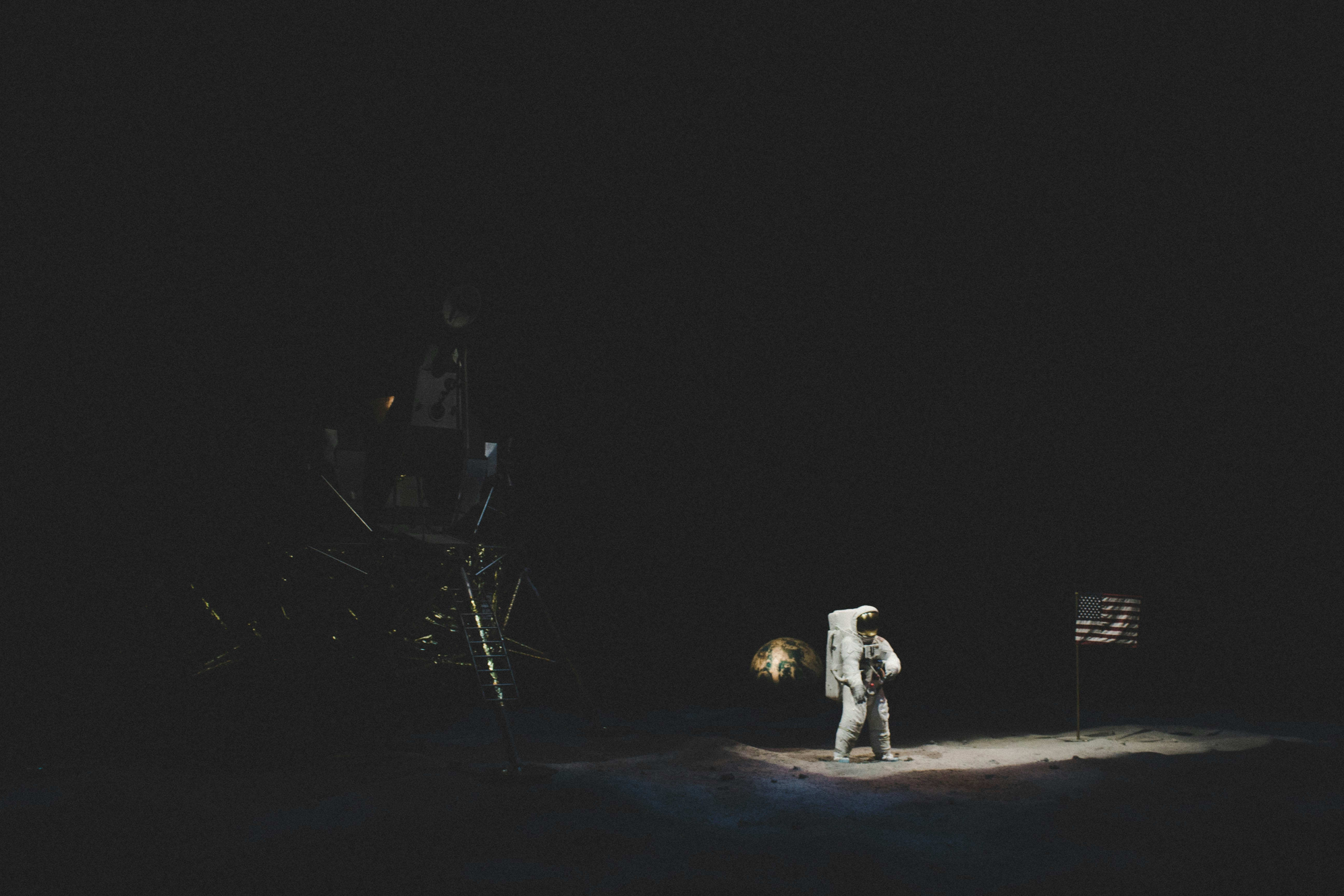
Introduction to Lunar Life
Life on the Moon, particularly within a lunar base, presents a unique set of realities accompanied by both remarkable challenges and unparalleled experiences. The astronauts stationed in this extraterrestrial outpost engage in a routine that blends scientific discovery with daily survival in an environment that is vastly different from Earth. As they navigate the complexities of lunar life, these astronauts rely heavily on advanced technology to ensure their safety and productivity.
Every day on the Moon begins with the unmistakable sound of equipment powering up. The lunar base is equipped with state-of-the-art life support systems that manage air quality, temperature, and water recycling. These systems are crucial, as they mitigate the inhospitable conditions that characterize lunar existence, including extreme temperatures and the absence of a breathable atmosphere. However, while technological innovations support their survival, they cannot fully alleviate the psychological burden of isolation and the sense of monotony that can arise from prolonged stays in such an environment.
The crew is composed of scientists and engineers, each contributing their expertise through collaborative experiments aimed at exploring the Moon’s geology and potential resources. Their daily activities often include data analysis, geological sample collection, and maintenance of equipment. Despite these purposes, moments of camaraderie are vital in combating feelings of loneliness synonymous with deep-space missions. Shared meals, recreational activities, and discussions about life back on Earth help to establish bonds that can ease the emotional strains of isolation.
Overall, the complex interplay of technology, scientific pursuit, and interpersonal relationships creates a dynamic environment within which the astronauts must operate. The inherent sense of discovery is tinged with the sobering awareness of their isolation, making lunar life a compelling narrative of human resilience and the quest for knowledge beyond our planet.
The First Letter
As the astronauts conducted their routine exploration outside the lunar airlock, an unexpected sight caught their attention. Nestled against the stark lunar regolith, a fragile piece of parchment fluttered gently in the low gravity, drawing their curiosity. This was not just any ordinary find; it was the first letter encountered during their historic mission. Handwritten and seemingly aged, the letter bore an ominous gravity that held its viewers captive upon first reading.
The content of the letter was unsettling. It began with an invocation of dread, detailing experiences that hinted at something sinister lurking in the shadows of the Moon’s surface. Phrases such as “they are watching” and “escape while you can” heightened the eerie atmosphere, leaving the astronauts in a state of disbelief. The imagery conjured by the author’s carefully chosen words suggested a narrative that intertwined exploration with imminent peril, igniting a sense of foreboding among the crew members. As each astronaut read the letter in turn, expressions shifted from intrigue to worry, demonstrating a collective realization that this was not a mere relic of the past.
Their reactions varied, with some exhibiting a keen interest in deciphering the cryptic nature of the message, while others experienced a twinge of fear at the prospect of an unknown entity observing them. Questions began to abound: who had penned the letter, and what could have led them to leave such a haunting warning? The atmosphere transformed, propelling the astronauts into a state of alertness that permeated their interactions and decision-making. With every heartbeat, the mystery deepened, setting the stage for an exploration of both the lunar landscape and the psychological impact of this extraordinary finding.
The Content of the Letters
The letters received from the Moon have fascinated, perplexed, and frightened those who have had the opportunity to read them. Each letter, uniquely penned with intricate language and abstract illustrations, unveils a different grim scenario that could potentially unfold on Earth. Over time, the content has sparked not only curiosity but also heated debates among the astronauts and researchers tasked with deciphering the underlying messages. The warnings articulated within the letters range from natural disasters to technological failures and societal collapses, prompting serious consideration of their implications.
One of the most alarming proclamations forecasted a catastrophic global earthquake, citing unprecedented geological instability due to human activities. This letter argued that the cumulative effects of climate change and exploitation of natural resources would lead to dire consequences for the Earth’s crust. Notably, it detailed specific regions that could be particularly vulnerable, stirring frantic discussions about preparedness and response strategies among the astronauts.
Equally unsettling, another letter warned of a potential technological failure, predicting a widespread collapse of communication systems. It illustrated a dystopian scenario where society becomes paralyzed due to critical failures in infrastructure, ultimately leading to chaos and anarchy. This document prompted an extensive deliberation regarding the durability and security of modern technology, convincing many in the team of the necessity for robust contingency plans.
Furthermore, the letters hinted at societal collapses driven by the depletion of resources, inequality, and unrest. The writers relayed visions of a fragmented world, with communities divided by scarcity and conflict. These messages compelled the astronauts to confront pressing issues regarding sustainability, governance, and social cohesion on Earth. As discussions deepened, so did their understanding of the importance of the content, revealing a deep-rooted concern for the future of humanity itself.
Investigating the Source
The astronauts, driven by curiosity and an urgent sense of purpose, found themselves immersed in intense discussions regarding the mysterious letters originating from the Moon. During their brainstorming sessions, they gathered in their makeshift command center, dissecting every aspect of the letters in hopes that a clue might lead them to the source. Each astronaut presented their perspectives, contributing to a plethora of theories about who could be behind the enigmatic correspondence. Diverse backgrounds and expertise enriched these discussions, fostering a collaborative spirit that encouraged out-of-the-box thinking.
One of the predominant theories revolved around the possibility of a hidden observer. The team wondered if an undisclosed space mission had gone unnoticed, perhaps a covert program designed to explore the Moon under a veil of secrecy. They scrutinized data from various space agencies, only to find that no missions were currently active in the vicinity. This led to an intriguing shift in focus, as they considered the notion of a more ethereal observer—a cosmic intelligence possibly attempting to communicate. Thoughts of extraterrestrial life surged through their debates, tantalizing yet deeply unsettling.
Research had become an indispensable tool in their quest. The astronauts delved into records of past moon landings and unexplained phenomena. They even turned to historical instances of communication or missives from space, hoping to gather evidence or parallels that could shed light on their situation. Speculative narratives emerged, linking the letters to ancient astronaut theories or even folklore surrounding the Moon. As tensions rose among the crew, the weight of the letters loomed larger, merging a sense of dread with an unyielding quest for understanding. Each day that passed deepened their resolve, an unwavering commitment to unraveling the truth behind the source of these letters that beckoned from the lunar surface.
Search for a Solution
As the astronauts grappled with the troubling contents of the mysterious letters from the Moon, the gravity of their situation became increasingly apparent. The team convened to devise a strategy to address the potential disasters outlined in these communications. Central to their discussions was the urgent need to establish a reliable method of relaying these critical warnings back to Earth, where they could be assessed and acted upon by mission control.
Initial attempts to establish contact proved challenging. The astronauts faced delays in communication transmissions, leaving them to contend with the growing uncertainties of their mission. They were enveloped in a mix of anxiety and determination, aware that time was of the essence. The latency of their communications spurred mounting frustration, as potentially life-saving information lingered in orbit while Earth remained oblivious to the potential dangers that could arise.
Meanwhile, skepticism from mission control further complicated the astronauts’ plight. Upon receiving intermittent messages regarding the letters, the ground control team expressed doubt regarding their authenticity and relevance, treating the reports with caution. This skepticism, although understandable given the extraordinary nature of the claims, added another layer of difficulty for the astronauts as they endeavored to convince their superiors of the urgency of their situation.
Recognizing the critical need for a viable solution, the astronauts began to explore alternative methods of communication. They considered utilizing various frequencies and even proposed sending visual data, such as photographs of the peculiar lunar features mentioned in the letters, to substantiate their claims. In this race against time, the team held onto hope, fully aware that each fleeting moment could carry substantial implications for the future of their mission and perhaps even humanity’s understanding of the cosmos.
Rising Tensions Among the Crew
As the crew members of the space expedition grappled with the implications of the mysterious letters from the moon, a palpable sense of fear began to permeate their interactions. The warnings contained within these cryptic messages triggered a variety of emotional responses, leading to rising tensions that threatened the cohesiveness of the team. Each letter, loaded with ominous predictions, ignited a spark of paranoia among the crew, causing them to question not only the authenticity of the warnings but also their own safety.
With each passing day, the initial camaraderie that characterized their journey started to erode, replaced by a growing discomfort and mistrust. The psychological toll of the letters began to manifest in unsettling ways; crew members found themselves second-guessing each other’s decisions and motivations. This atmosphere of suspicion was further exacerbated by the diverse opinions on how best to respond to the warnings. Some advocated for a cautious approach, urging the team to redirect their mission, while others pushed for a continued exploration of the moon, believing that retreating would only invite further risks.
This divide created rifts within the group, leading to confrontations that underscored their differing perspectives. Arguments erupted over seemingly trivial matters, as underlying frustrations boiled to the surface. The emotional strain hindered effective communication, making collaborative problem-solving increasingly difficult. As the crew became entangled in disputes, their ability to perform essential tasks suffered, raising concerns about the overall success of the mission.
In the midst of these rising tensions, the crew members were forced to confront their vulnerabilities and reevaluate not just their approach to the expedition but also the bonds they thought were unbreakable. The journey that had once promised discovery and opportunity now teetered on the edge of despair, suggesting that the true danger might not solely stem from the unknowns of the moon, but from within their own ranks.
A Shocking Revelation
As the crew continued their meticulous examination of the letters from the Moon, they stumbled upon a detail that sent shockwaves through their ranks. The seemingly innocuous script upon the aging parchment contained subtleties that could no longer be ignored. Upon closer analysis, linguists aboard the vessel recognized patterns in the language that hinted towards origins not entirely alien but instead intimately familiar. A flicker of disbelief coursed through the astronauts as they pieced together the potential author of these enigmatic notes. Could it be that the letters, long assumed to be penned by an unknown extraterrestrial intellect, were in fact the work of one of their own?
The most shocking revelation was aligned with a confession made by a long-lost astronaut, whose whereabouts had been shrouded in mystery for decades. This individual, it was uncovered, had previously been on a mission to the Moon and had left behind a series of letters detailing personal struggles and philosophical musings. These tones resonated within the letters the current crew had found, as if the past was reaching out through the cosmos. The implications of this connection created an atmosphere fraught with emotional turmoil, for the crew grappled with the weight of these revelations.
Motivation became another colossal question; were these letters poignantly reflective of whispered fears and aspirations of an astronaut lost in space or a deeper commentary on human existence as viewed from afar? Suspense filled the air as the crew debated heatedly over the newfound evidence, averting between disbelief and intrigue. This pivotal twist reframed not just their exploration mission but the very essence of what it meant to be human in the face of the vast unknown. The letters evolved into a mirror, reflecting the innermost thoughts of their own generation, intertwining despair with a glimmer of hope, while the search for the truth spiraled further into complexity.
Deciding Their Fate
Upon uncovering the truth behind the letters from the Moon, the astronauts found themselves at a critical crossroads, faced with profound moral dilemmas regarding their next steps. The nature of the letters, which bore warnings about potential dangers to Earth, ignited a deep sense of responsibility among the crew. Each member understood that their decision could have far-reaching implications, not just for themselves but for millions back home.
The astronauts deliberated on several courses of action. One option was to relay the information to Earth immediately, thereby alerting necessary authorities for further investigation. However, this approach came with considerable risks, including the potential for mass panic and the possibility that the warnings could be construed as an overreaction. They pondered whether sharing the content might hinder efforts to explore ongoing research and defenses against extraterrestrial threats. The astronauts also feared the repercussions of misinformation and the public’s reaction over an unverified claim.
Another possible route was to conduct further investigation on their own. This alternative posed its own set of challenges. They risked time and resources, as remaining on the lunar surface could jeopardize their own safety and the integrity of their mission. Being caught in a prolonged dilemma could lead to mission failure, causing their ultimate objectives to fall by the wayside. The crew weighed this against the fear of not acting and potentially jeopardizing Earth’s security in the process.
As the crew wrestled with these heavy decisions, it became evident that their choices were laden with moral implications. They grappled with not only the fate of their mission but also the responsibility to humanity. The tension among the astronauts grew, as the weight of the letters’ warnings intensified their struggle to find the most ethical and practical course of action. The fate of their decisions loomed large as they prepared to confront the uncertainty that lay ahead.
Reflections on Humanity and Connection
The narrative surrounding the astronauts on the lunar base exemplifies the intrinsic human need for connection, even amidst the vastness of space. As they navigate the challenges presented by their isolated environment, the letters from the Moon become more than mere correspondences; they serve as profound reminders of their humanity. Each character’s experience is tinted by the weight of their past relationships and the emotional ties that tether them to Earth.
In moments of crisis, the astronauts exhibit remarkable resilience, showcasing their innate ability to rely on one another. This interdependence highlights a fundamental truth: humanity thrives on connection. The physical distance from their loved ones amplifies their introspective journey, as they grapple with thoughts of home, family, and the fragility of life. The letters catalyze a wellspring of emotions, prompting reflections on their choices, sacrifices, and the legacy they wish to leave behind. This introspection fosters a deeper understanding of what it means to be alive and connected, even when faced with the dual challenges of isolation and adversity.
The duality of their existence—being alone yet intrinsically bonded—is underscored by the stark contrast between the cold lunar landscape and the warm memories of Earth. Each letter acts as both a lifeline and a mirror, revealing both their vulnerabilities and strengths. They are not simply astronauts fulfilling a mission; they are individuals confronting their fears, cherishing their memories, and redefining their identities in the face of uncertainty. This exploration into their souls not only enhances their connection with each other but also serves as a poignant reminder of the fragility of life itself. Ultimately, the letters underscore the notion that regardless of the distance, the human spirit remains indomitable, thriving on the connections forged in love, memories, and shared experiences.